

Water Coolers Melbourne with Filter Bottle

Benchtop and Floor Standing Filtered Alkaline Water Coolers Melbourne with Filter Bottle


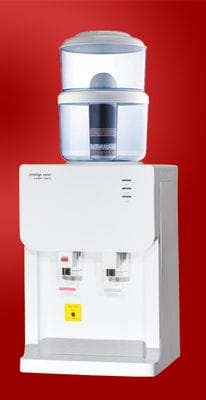
Benchtop Water Cooler Melbourne with Filter Bottle
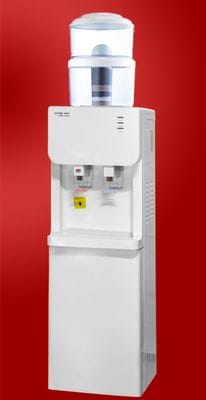
Floor Standing Water Cooler Melbourne with Filter Bottle
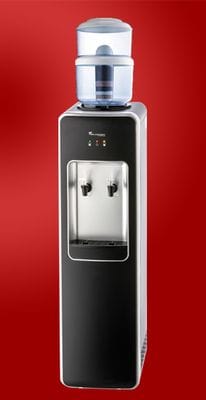
Exclusive Water Cooler Melbourne with Filter Bottle

Healthy great-tasting filtered alkaline benchtop or floor standing water coolers Melbourne with filter bottle

How much water should you drink

Most of us know that we should drink water. After all, an adult's body is made up of 50-60% water. Even when we're not moving, we lose water through breathing or sweating. Certain factors, such as age or physical activity, also increase our need for fluids. Fruit water

If we don't drink enough water, we don't feel well. Dehydration of just two percent of body weight can lead to headaches, fatigue and other forms of discomfort.

The question is: how much water do we really need to drink? In fact, needs vary from person to person. As a rule of thumb: 1.5 to 2 litres can be a good amount to drink.

Among the many factors that affect a person's fluid requirements are:

  •     physical activity: During physical exertion, the body loses water in the form of sweat. The more you sweat, the more water you need to drink to make up for lost fluids.
  •     Nutrition: You can supply your body with water not only through drinks, fruit and vegetables are also important sources for replenishing your fluid balance.
  •     Taking medication: Certain medications can lead to increased urine excretion and thus increase the daily water requirement.
  •     Age: With increasing age, the body can no longer store water as well - this can also lead to an increased need for water.
  •     Season and climate: The warmer the weather, the greater the loss of fluid through sweating and the more water must be absorbed to refill the stores.
  •     Menopause: It is not only the heat-related sweating that increases the body’s need for fluids, but also the so-called hot flashes during menopause.

Here's how to find out if you're drinking enough water

You don't need a formula for that. A look at your urine shows you whether you are drinking enough liquid. If it's light yellow, you're probably drinking enough water. A dark yellow colour, on the other hand, can be an indication of a fluid deficit. However, the colour of urine is not a perfect indicator. A darker colouration can also be caused by illness or by medication, e.g. B. Vitamin B2 supplements.

Other signs of water shortage

Therefore, it is helpful to also look out for other signs that you may not be drinking enough water. Such signs can be, for example:

  •     Thirst,
  •     Headache,
  •     dry mouth,
  •     difficulty concentrating or
  •     Fatigue.

Thirst doesn't always come first

Your body may already be dehydrated before you feel thirsty. If you notice that your mouth is dry or you can't concentrate anymore, then you should urgently take a sip. Keeping a refillable water bottle within easy reach reminds you to take regular sips of water to prevent headaches and discomfort from arising in the first place.

This is how you can increase your water intake

"Drink that much water every day? I can't do that!” you think? Do not worry. There are other ways you can keep your body hydrated.

  • Sparkling and flavoured water: whether you prefer sparkling mineral water or still, both fill your water reservoirs equally well. If you miss the taste of pure water, you can spice it up with fresh fruit and herbs. Use the water tracker in the app and add when you've had a glass of water.
  • Water-rich vegetables: You can also fill up your water balance with water-rich foods. These include cucumbers, peppers, zucchini, lettuce and tomatoes. Try tzatziki dip with raw vegetables or add a few more tomato slices to your salad.
  • Water-rich fruit: did you know that an orange contains up to 120 ml of water? In addition to citrus fruits, water-rich fruits also include melons, berries and stone fruits such as peaches, and apricots ...).

Can Drinking Water Help You Lose Weight?

Drinking water and losing weight. So far, no direct connection has been proven between water intake and weight loss. However, water may support weight loss when replacing sugar-sweetened soft drinks. Unlike a can of sugary soda, water quenches your thirst without the extra calories.

Why drinking water is otherwise healthy

A balanced fluid balance is important

  •     for regulating body temperature,
  •     to support digestion,
  •     for the transport of nutrients and oxygen to the cells,
  •     for the elimination of toxins via the kidneys,
  •     to optimize brain function.

In short, the body needs sufficient water to function optimally.

So the crucial question is: Are you drinking enough water every day?

Actually I should drink more water. Staying hydrated is vital on your journey to wellness. Since the body loses water throughout the day, you have to constantly replace the lost water. How much fluid you need each day depends in large part on your age and body weight. There are also factors such as physical activity and diet. If you have any concerns about your hydration or health—particularly if you notice unexplained changes in your thirst or urination—speak to your GP.
Why is Filtered Water so Important?