
Every day, depending on your physical constitution, there is a loss of fluid of two and a half to three litres. We have to compensate for this loss of fluid through food and drink so that all body functions can be properly maintained. Our body is not able to store water. So if we drink too little, there will be a lack of water in the long term. However, the body responds to this with warning signs before it is seriously harmed. Together with
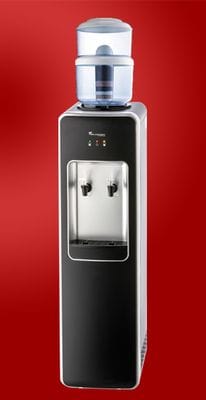
Our body is not only made up of 50 per cent water, it also constantly produces water. And in astonishing quantities: the salivary glands alone are present with 1.5 litres of saliva, the stomach with 2.5 litres of gastric juice, and the liver with half a litre of bile. Like blood, water carries oxygen and nutrients to the organs and waste products away from the organs. The body is constantly creating, releasing and regaining water. This "reprocessing" is called resorption. This is mainly done by the kidneys, stomach and intestines in the body. Alkaline water cooler Brisbane for greater health. Fatigue is solved by drinking water.
Diet drinks are low-energy drinks in which sugar has been replaced with sweeteners. According to the regulation, however, they can only be called “light” if they can be shown to contain fewer calories. Calorie-reduced drinks must not contain more than 20 kcal/100 ml. It is questionable whether diet drinks are suitable for overweight people. Although these drinks have little or no energy content, the sweeteners they contain can shift the taste preference (even more) in the direction of sweet foods. The claim that artificial sweeteners are carcinogenic persists. However, there is no reliable evidence that sweeteners are of concern within the permitted maximum levels.
There is also a persistent rumour that sweeteners cause insulin to be released. This would trigger a drop in blood sugar and thus feelings of ravenous hunger, which in turn would lead to increased energy intake and thus to obesity. However, the majority of studies conducted cannot confirm an insulin-stimulating effect. A recent theory is that the sweet taste activates our reward centre and can trigger foraging behaviour there.